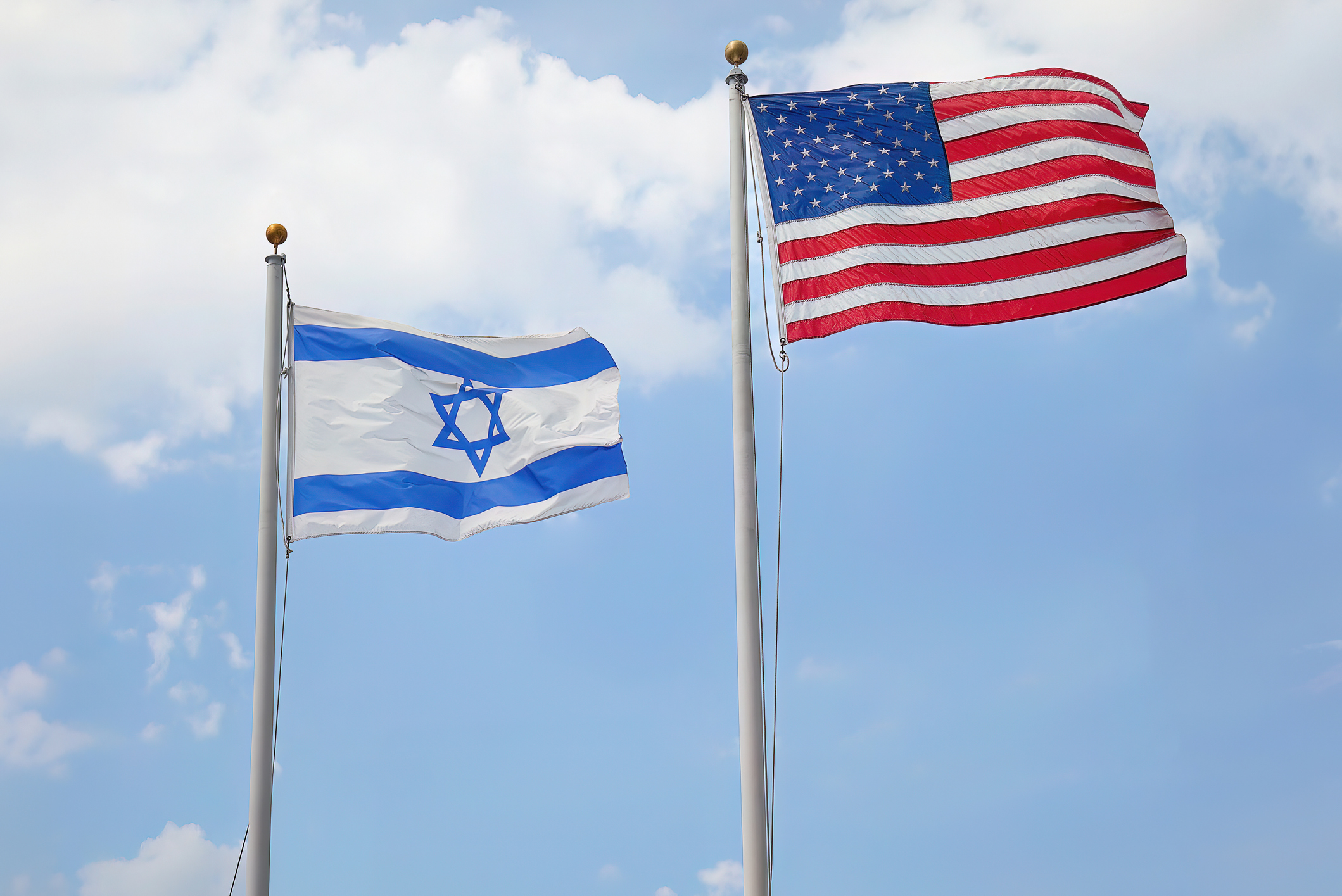
South Korea has become one of the fastest-growing defense markets on the planet. Korea’s defense exports reached $15.4 billion in 2025, surging 60% year-on-year, driven largely by major contracts with Poland and other NATO-aligned buyers. The country’s four largest defense firms — Hanwha Aerospace, Hyundai Rotem, Korea Aerospace Industries, and LIG Nex1 — are expanding

The Cost Accounting Standards Board (CASB) has proposed a significant overhaul to CAS applicability thresholds — one that is clearly aimed at reducing compliance burdens, simplifying CAS administration, and expanding competition in the federal marketplace. If implemented, these changes would represent one of the most meaningful deregulatory CAS reforms in decades, particularly for growing mid-size

Government contracting can feel like learning a new language. Even sophisticated commercial vendors often struggle with the rules, acronyms, and procedural traps that come with selling to federal agencies.

Below are 25 of the most common questions contractors search online — along with short, practical answers designed for business owners, compliance teams, and government contracts

The timing has rarely been better for Korean companies to pursue U.S. government contracts. The White House and the Republic of Korea signed a Technology Prosperity Deal MOU in October 2025 covering AI, semiconductors, quantum computing, and space. Korean companies committed $350 billion in U.S. investments. And the administration’s America’s Maritime Action Plan — issued

AI is now embedded in core defense mission systems, acquisition planning, and contract administration. The legal, compliance, and contractual risks that follow are fast-growing and consequential — capable of derailing performance, generating False Claims Act (FCA) exposure, or disqualifying proposals.

As the Department of Defense (DoD) increases its reliance on AI-enabled capabilities, contractors should understand

In our September 2024 blog post, we tracked OSHA’s ambitious proposal to create a first-of-its-kind federal heat standard. That proposal introduced strict “trigger” temperatures of 80°F and 90°F and sought to move away from the “General Duty Clause” that OSHA has used to issue nearly 350 heat-related citations since 1986.

However, the regulatory landscape has

Commercial tech and AI companies entering the federal market face a hard lesson: Federal contracts do not work like commercial software licenses. GSA’s proposed AI clause is where that lesson gets expensive.

If your company sells software or AI-powered services commercially, your deal model is built on familiar assumptions: You license your product, you retain

On March 26, 2026, the president issued an executive order titled “Addressing DEI Discrimination by Federal Contractors”, directing federal agencies to include a new mandatory contract clause prohibiting federal contractors and subcontractors from engaging in “racially discriminatory DEI activities.” The order also expressly links compliance to False Claims Act (FCA) materiality, signaling heightened enforcement

The first quarter of 2026 brought significant legal, regulatory, and compliance developments that federal contractors and government procurement professionals must understand. From transformative regulatory initiatives to high-profile executive actions and agency guidance, these shifts reflect changing priorities across the federal acquisition landscape. Below is a summary of the most impactful trends and legal updates through

Federal contractors often face unique challenges when their work intersects with the Freedom of Information Act (FOIA). While FOIA primarily governs federal agencies, contractors can be indirectly affected when agencies receive requests for documents related to proposals or contract performance. Understanding how to respond — and when to object — is critical to protecting