Photo of Aron C. Beezley

Aron Beezley is the co-leader of Bradley’s nationally ranked Government Contracts Practice Group. Ranked nationally himself in Government Contracts Law by ChambersLaw360Benchmark Litigation, and Super Lawyers, Aron’s vast experience includes representation of government contractors in numerous industries and in all aspects of the government-contracting process, including negotiation, award, performance and termination.

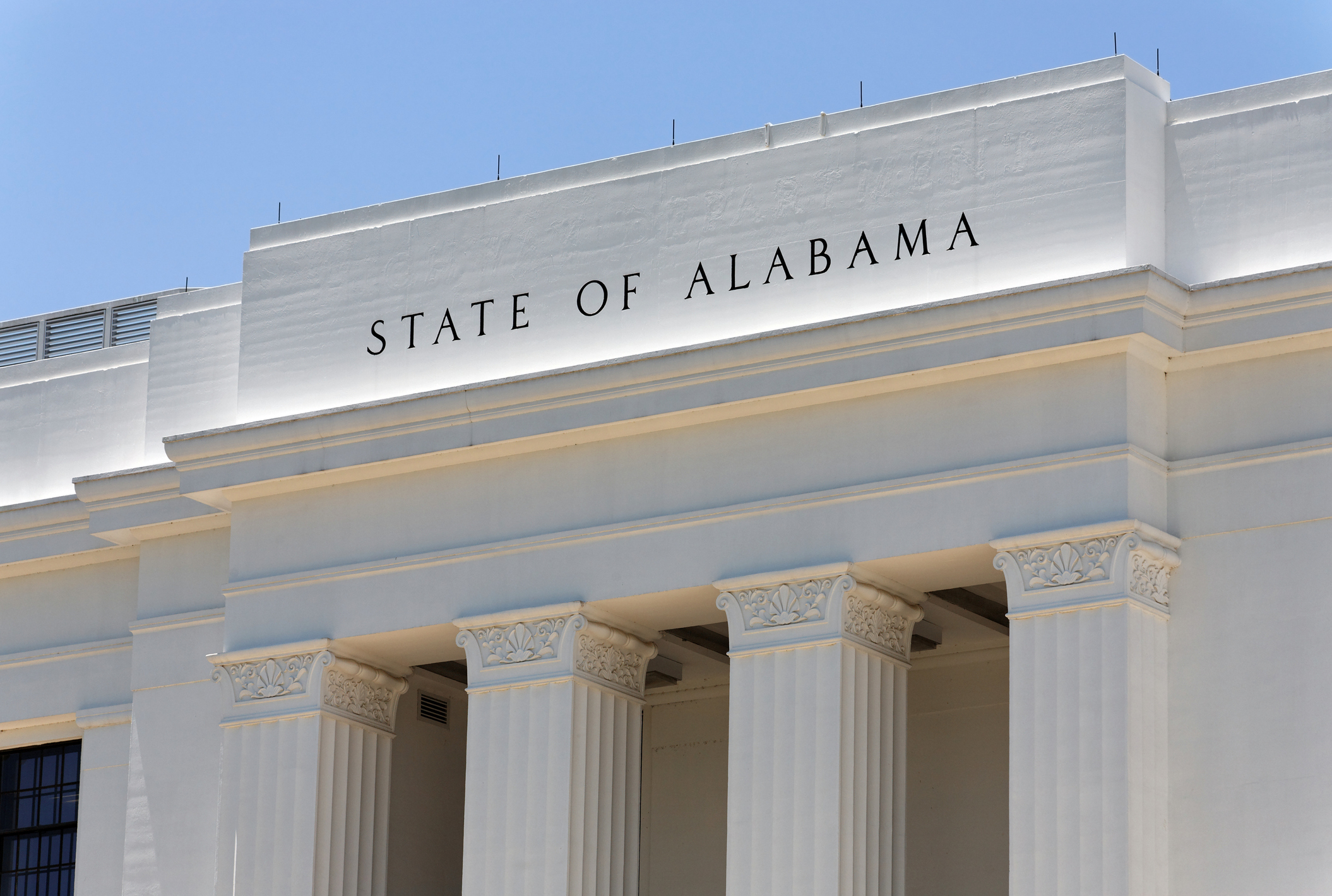
We previously published an update on the bid protest procedures in the state of Alabama, discussing the revised statutory and regulatory processes and procedures implemented effective October 1, 2022. Certain of these statutes have since been updated again, effective June 1, 2025.  This article provides a brief update on those revised statutory processes and procedures
The Department of Justice (DOJ) announced recently that settlements and judgments under the False Claims Act (FCA) exceeded $6.8 billion in the fiscal year ending September 30, 2025 — the highest single-year total in the statute’s history. The announcement underscores the continued centrality of the FCA in the federal government’s fraud-enforcement arsenal.

Since Congress substantially

In a sweeping and unprecedented enforcement action, the Small Business Administration (SBA) has dramatically escalated its oversight of the 8(a) Business Development Program — reportedly leaving more than 1,000 small businesses suddenly sidelined and raising serious questions about procedural protections and appeal rights.

The December 2025 Document Demand

In December 2025, SBA issued a blanket

As federal agencies continue to navigate budget constraints, geopolitical uncertainty, workforce shortages, and rapid technological change, government contractors entering 2026 face an increasingly complex legal and enforcement environment. Recent case law, agency guidance, and enforcement activity reflect a clear trend: Contractors are being held to higher standards of documentation, transparency, and internal controls across the

Recent reports and contractor experiences suggest that the U.S. Agency for International Development (USAID) has, in some instances, failed to timely pay contractors for work that has already been performed and accepted. While payment delays are not unprecedented in federal contracting, prolonged or systemic nonpayment raises serious legal and practical concerns — particularly for contractors

Bradley’s Government Contracts Practice Group was recently named a Law360 Practice Group of the Year for 2025. This award recognizes the practice groups that worked on the biggest deals or achieved the biggest wins in the most important cases over the past year in a variety of key practice areas. This is the fourth

The U.S. government contracts market is the largest and most sophisticated public procurement system in the world, with annual spending exceeding hundreds of billions of dollars across defense, civilian agencies, infrastructure, IT, healthcare, and professional services. For foreign companies, the market offers substantial opportunity — but it also presents unique legal, regulatory, and practical challenges

The U.S. District Court for the District of Columbia recently issued a significant ruling in City of Saint Paul, Minnesota, et al. v. Christopher Wright, addressing constitutional constraints on executive agency conduct in the context of federal grant terminations. The decision — issued by Judge Amit P. Mehta — saw the court enter judgment

As 2025 draws to a close, both the Armed Services Board of Contract Appeals (ASBCA) and the Civilian Board of Contract Appeals (CBCA) have released their annual reports for fiscal year 2025. Together, these reports offer valuable insights into contract dispute trends, case outcomes, use of alternative dispute resolution (ADR), and broader developments  practitioners and

The Government Accountability Office (GAO) recently issued to Congress its annual bid protest report (PDF). As discussed below, this year’s report is noteworthy for multiple reasons, including that it shows that protesters continued to receive some form of relief from the procuring agency in more than half of the protests filed with the GAO in