Photo of Nathaniel J. Greeson

Nathaniel Greeson helps clients solve government contracts challenges. Nathaniel represents clients in a range of government procurement issues, including bid protests, claims, disputes, audits and investigations. He has extensive experience with GAO bid protests, agency-level protests, Court of Federal Claims (COFC) bid protests, and SBA OHA size and NAICS appeals, as well as experience with agency-level requests for equitable adjustments (REA) and claims, and Boards of Contract Appeals claims. View articles by Nathaniel.

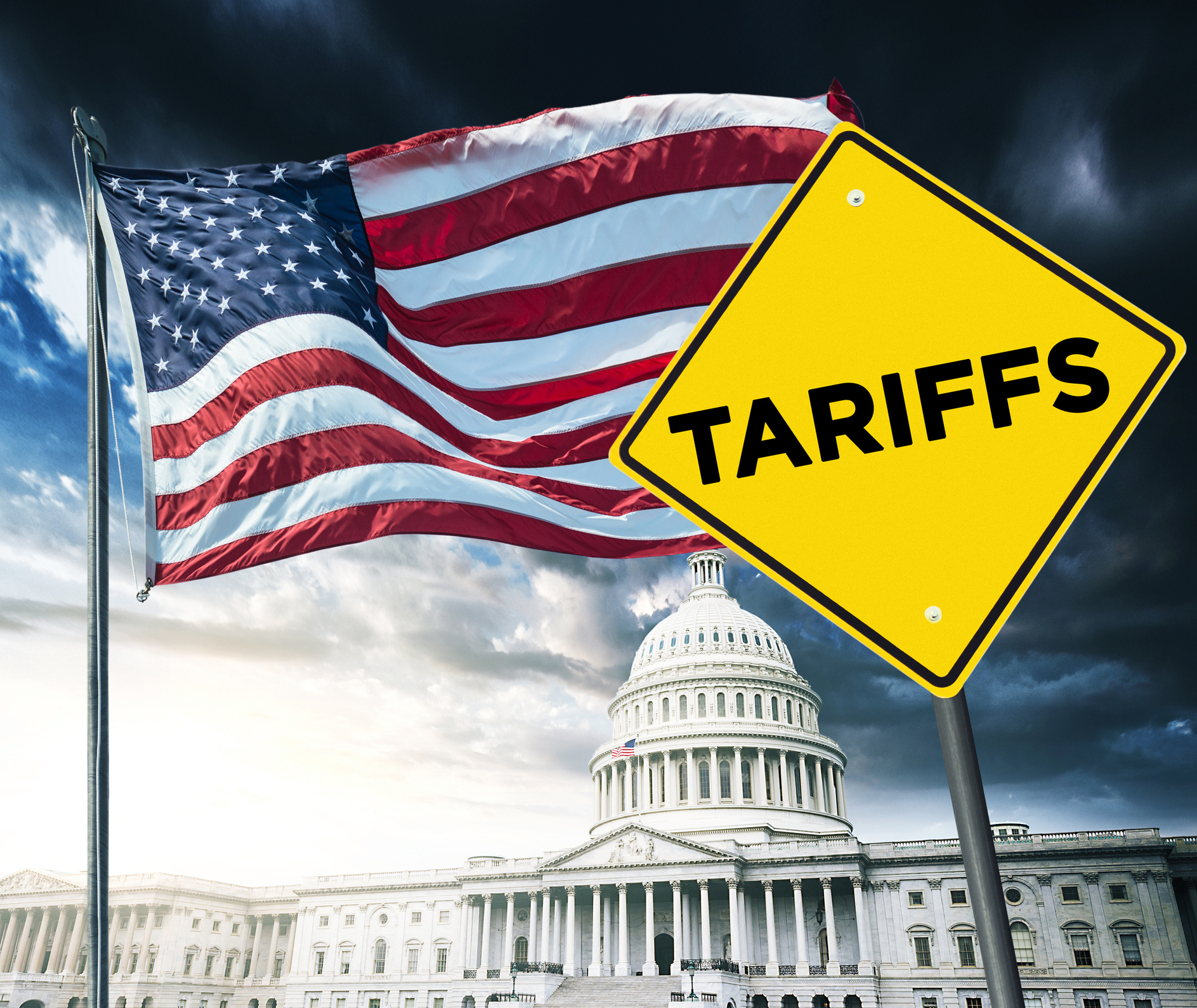
On February 20, 2026, the U.S. Supreme Court issued a landmark decision in Learning Resources, Inc. v. Trump, holding that the International Emergency Economic Powers Act (IEEPA) does not authorize the president to impose tariffs. The ruling invalidated a broad set of tariffs imposed by executive order under IEEPA and reaffirmed that the constitutional
The U.S. Department of Justice recently expanded and clarified its Corporate Enforcement and Voluntary Self-Disclosure Policy (CEP), significantly strengthening incentives for corporations to report misconduct to the government. The policy is part of a broader effort to standardize corporate enforcement practices and reward companies that promptly disclose wrongdoing, cooperate with investigators and remediate misconduct.

A suspension notice from the U.S. Small Business Administration (SBA) can have immediate and significant consequences for a participant in the 8(a) Business Development Program. While a suspension is not the same as a final termination, it typically halts a firm’s ability to receive new 8(a) contract awards and may jeopardize its continued participation in

The Department of Justice (DOJ) announced recently that settlements and judgments under the False Claims Act (FCA) exceeded $6.8 billion in the fiscal year ending September 30, 2025 — the highest single-year total in the statute’s history. The announcement underscores the continued centrality of the FCA in the federal government’s fraud-enforcement arsenal.

Since Congress substantially

In a sweeping and unprecedented enforcement action, the Small Business Administration (SBA) has dramatically escalated its oversight of the 8(a) Business Development Program — reportedly leaving more than 1,000 small businesses suddenly sidelined and raising serious questions about procedural protections and appeal rights.

The December 2025 Document Demand

In December 2025, SBA issued a blanket

Recent reports and contractor experiences suggest that the U.S. Agency for International Development (USAID) has, in some instances, failed to timely pay contractors for work that has already been performed and accepted. While payment delays are not unprecedented in federal contracting, prolonged or systemic nonpayment raises serious legal and practical concerns — particularly for contractors

The U.S. government contracts market is the largest and most sophisticated public procurement system in the world, with annual spending exceeding hundreds of billions of dollars across defense, civilian agencies, infrastructure, IT, healthcare, and professional services. For foreign companies, the market offers substantial opportunity — but it also presents unique legal, regulatory, and practical challenges

The U.S. District Court for the District of Columbia recently issued a significant ruling in City of Saint Paul, Minnesota, et al. v. Christopher Wright, addressing constitutional constraints on executive agency conduct in the context of federal grant terminations. The decision — issued by Judge Amit P. Mehta — saw the court enter judgment

On November 25, 2025, the Department of State announced an agreement of up to $150 million with Zipline International Inc. to expand access to life-saving medical supplies across Côte d’Ivoire, Ghana, Kenya, Nigeria, and Rwanda. According to the fact sheet on Zipline’s website: “Zipline designs, manufactures, and operates the world’s largest and most experienced

Government contractors often focus on federal procurement opportunities, which are governed by the Federal Acquisition Regulation (FAR) regime. However, the state-level procurement landscape presents a distinct — and often less uniform — set of rules, risks, and opportunities. For businesses expanding into state or local markets, understanding these structural and procedural differences is essential.

No